

Workplace Hearing Screening Services That Work
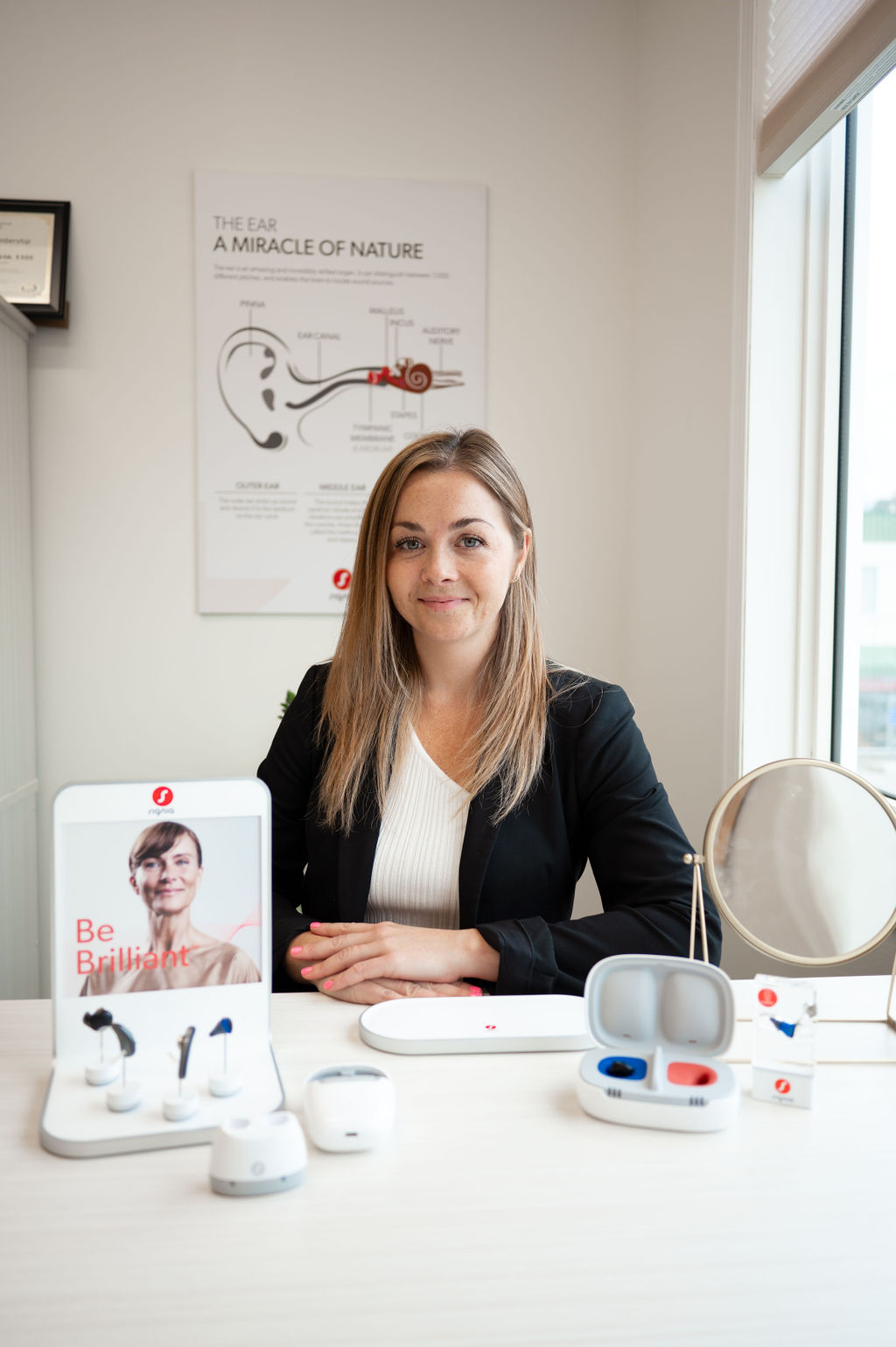
A missed instruction on a busy shop floor, a radio message that has to be repeated, or ringing in the ears after a shift can seem like small problems. Over time, they can affect safety, confidence, communication, and an employee’s quality of life. Workplace hearing screening services give employers and employees a practical way to identify hearing changes early and make informed next steps.
For businesses, a screening program is not simply another box to check. It is part of caring for the people who keep operations moving. For employees, it can be a reassuring, straightforward opportunity to understand how noise exposure may be affecting their hearing before communication becomes harder at work and at home.
Why hearing screenings belong in workplace safety planning
Many jobs involve more noise than people realize. Manufacturing, construction, transportation, agriculture, maintenance, landscaping, hospitality, and emergency services can all expose workers to sustained or sudden loud sound. Even workplaces that do not appear especially noisy may include equipment, alarms, power tools, ventilation systems, or frequent high-volume communication.
Noise-related hearing loss often develops gradually. An employee may not notice a clear change from one day to the next. Instead, they may begin asking coworkers to repeat themselves, finding group conversations tiring, turning up the television, or struggling to understand speech in restaurants. Tinnitus, commonly described as ringing, buzzing, or humming in the ears, can also be an early concern.
A hearing screening helps establish whether a person may have changes that deserve closer attention. It can also support a workplace culture where reporting a concern is viewed as sensible and proactive, not embarrassing. When employees can hear instructions, warnings, and one another clearly, everyone benefits.
What workplace hearing screening services can include
A workplace screening is designed to be efficient, accessible, and appropriate for a group setting. The exact format depends on the size of the team, the work environment, and the employer’s goals. A well-organized service may begin with a short discussion of hearing concerns, workplace noise exposure, tinnitus, ear health, and hearing protection habits.
The screening itself typically checks hearing responses at key frequencies using professional equipment in a suitable testing environment. Results can show whether further diagnostic testing is recommended. Employees should receive clear, respectful guidance about what their result means and what to do next.
A screening is not the same as a complete audiological assessment. It does not diagnose the cause of hearing loss, determine medical treatment, or replace a full evaluation when concerns are found. That distinction matters. The value of screening is early identification and a simple path forward, without pressure or guesswork.
For employers, the service may also include aggregate feedback about participation and general hearing-health education. Individual results should remain private. Employees need to feel confident that personal health information will be handled with care and not used to judge job performance.
Screening and compliance are related, but not identical
Some workplaces have formal hearing-conservation obligations based on noise exposure and local regulations. Those programs can involve sound-level monitoring, baseline and follow-up testing, training, recordkeeping, and access to appropriate hearing protection. Requirements vary by jurisdiction, industry, and measured noise levels.
A workplace screening can complement those obligations, but it should not be presented as a substitute for a required hearing-conservation program. Employers with significant occupational noise should confirm their specific responsibilities with the appropriate safety and regulatory resources. A hearing care provider can help explain the screening component and advise when a more structured program may be needed.
When should an employer arrange screening?
The best timing depends on the workplace. Businesses commonly arrange screenings when employees work around loud equipment, when a new site or team is being established, or when staff have raised concerns about ringing ears or difficulty hearing instructions. Annual scheduling is often a sensible option for ongoing noise exposure, particularly when combined with hearing-protection education.
Screenings can also be valuable after a change in work processes. New machinery, expanded production hours, altered workspaces, or different communication systems can change how employees experience noise. A proactive review is often easier than waiting for concerns to become widespread.
Employers should not assume that only long-serving workers need support. Hearing changes can affect adults of any age, and a single high-noise event can be harmful. At the same time, not every hearing concern is caused by work. Age, family history, certain medications, medical conditions, recreational noise, and earwax can all play a role. This is another reason individualized follow-up matters.
Making screenings comfortable for employees
Participation improves when employees understand why the screening is being offered and what will happen. Clear communication before the appointment can reduce anxiety. Let staff know that the process is brief, that results are confidential, and that a referral for further assessment is simply a recommendation for more information.
It also helps to schedule screenings in a way that respects the workday. On-site testing may be convenient for larger teams, while appointments at a hearing clinic may be more suitable for smaller businesses or employees who need a quieter, more detailed assessment. There is no single right approach. The best plan balances operational needs with testing conditions and employee comfort.
Managers set the tone. When leadership treats hearing protection and hearing checks as normal parts of workplace wellness, employees are more likely to take them seriously. Avoid framing screening as a test employees can pass or fail. Hearing health is personal, and the goal is support.
Hearing protection is only useful when people will wear it
Providing earplugs or earmuffs is a starting point, not the whole solution. Hearing protection needs to fit properly, be appropriate for the type and level of noise, and be comfortable enough for consistent use. If protection interferes with communication, safety awareness, or other personal protective equipment, employees may be less likely to wear it.
Custom hearing protection can be worth considering for workers who need a secure, comfortable fit for extended periods. Depending on the job, filtered options may reduce damaging noise while allowing speech and warning signals to remain more accessible. The right choice depends on the work environment, the employee’s duties, and the level of protection required.
Training matters just as much as the device itself. Employees should know when to wear protection, how to insert or position it correctly, how to care for it, and when it needs replacement. A worker who wears poorly fitted protection may believe they are protected when they are not.
What happens after a screening identifies a concern?
A referral for a full hearing assessment should be viewed as an opportunity, not a cause for alarm. A complete assessment can look more closely at hearing levels, speech understanding, tinnitus concerns, ear health, and possible factors such as wax buildup. If hearing loss is confirmed, the audiology team can discuss options that fit the person’s listening needs, lifestyle, and budget.
For some people, the next step may be ear care, monitoring, medical follow-up, or better hearing protection. Others may benefit from hearing aids, assistive listening devices, or tinnitus management. Recommendations should be individualized and explained in plain language. No one should feel rushed toward technology they do not need.
At Windsor Park Hearing Centre, workplace screenings can connect employees with ongoing local hearing care when follow-up is appropriate. That continuity matters because hearing needs can change over time, and practical support is often just as valuable as the initial test.
Choosing a provider for workplace hearing screenings
Look for a provider that can explain the scope of the service clearly, protect employee privacy, and offer follow-up care when a screening result calls for more evaluation. Professional credentials and reliable equipment are essential, but so is the ability to communicate with people who may feel nervous about their hearing.
Ask how the provider handles referrals, what information the employer receives, and whether education about noise exposure and hearing protection is available. Cost should also be clear from the start. Transparent pricing and a defined service plan help businesses budget responsibly without sacrificing employee care.
A good workplace hearing program is built on respect: respect for the risks employees may face, respect for their privacy, and respect for the fact that hearing connects people to work, family, and community. Offering a screening is a practical way to start that conversation and help employees protect the hearing they rely on every day.


Comments