

What to Know Before Choosing Hearing Aids
Missing part of a grandchild’s story at the dinner table can feel very different from simply needing the television turned up. Hearing aids are not just about making sound louder. When they are selected and programmed thoughtfully, they can help make speech clearer, reduce listening strain, and help people feel more present in the conversations that matter.
For many adults, the hardest part is knowing where to begin. There are many styles, features, prices, and sales messages to sort through. A good decision starts with your hearing needs and daily life, not with a device sitting on a shelf.
Hearing Aids Are Part of a Care Plan
A hearing aid is a small medical device that receives sound, processes it, and delivers it to your ear at a level suited to your hearing loss. Modern devices can do far more than amplify everything around you. They can reduce certain background sounds, focus on speech in front of you, adjust across different environments, and connect with phones or other compatible technology.
Still, no device can remove all background noise or make a busy restaurant sound like a quiet living room. Hearing in noise is one of the most complex listening tasks, especially when hearing loss has been present for some time. Realistic expectations, professional programming, and follow-up adjustments all play a meaningful role in success.
The right choice depends on the type and degree of hearing loss, the shape and health of your ear, hand dexterity, vision, lifestyle, and personal preferences. Someone who enjoys large family gatherings, attends meetings, and spends time in noisy public places may benefit from different features than someone who primarily wants clearer conversations at home.
Start With a Full Hearing Assessment
Online quizzes and quick screenings can be useful prompts, but they do not replace a complete audiological assessment. A thorough appointment looks beyond whether you can hear a tone. It helps identify how well you hear different pitches, how clearly you understand words, and whether there may be concerns that need medical attention.
During an assessment, your hearing care professional will usually ask about the situations that are most frustrating. You may notice that voices seem unclear, that you miss words when several people are talking, or that you feel exhausted after trying to follow a conversation. Tinnitus, ear fullness, dizziness, noise exposure, and earwax concerns are also worth discussing.
This conversation matters because a hearing test result does not tell the whole story. Two people with similar test results may need very different recommendations. Your work environment, hobbies, comfort with technology, budget, and support at home should all be part of the discussion.
Choosing Hearing Aids for Everyday Life
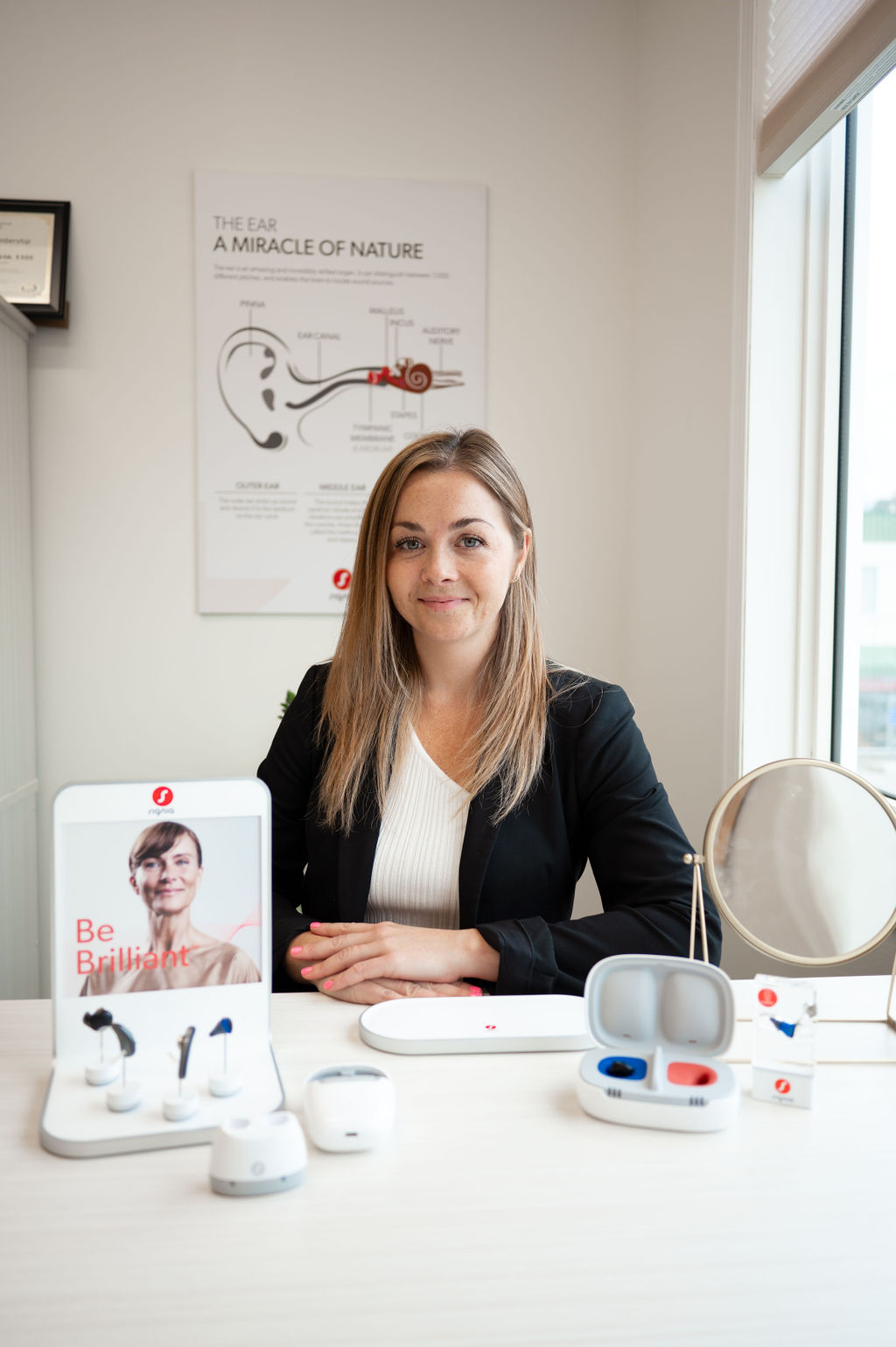
Hearing aids come in several styles. The best option is not always the smallest one. Smaller devices can be discreet, but larger styles may offer easier controls, more battery capacity, greater power for more significant hearing loss, or simpler handling.
Common styles include:
Behind-the-ear devices, which sit behind the ear and connect to an ear tip or custom earmold.
Receiver-in-canal devices, a popular option with a small case behind the ear and a receiver placed in the ear canal.
In-the-ear devices, which are custom made to sit in the outer portion of the ear.
In-the-canal and completely-in-canal devices, which fit deeper in the ear for people who prioritize a less visible option.
Rechargeable hearing aids are convenient for many people, particularly those who find small disposable batteries difficult to manage. Disposable battery models can still be a practical choice for some users, including people who travel frequently or prefer not to rely on charging access.
Features should serve a purpose. Bluetooth connectivity may be helpful if you regularly take phone calls or listen to audio through a smartphone. Directional microphones and noise management may be valuable if restaurants, group events, or workplace meetings are a regular part of your life. If you spend most days in quieter settings, paying for every available feature may not provide the same value.
Clear Pricing Makes Better Decisions
The cost of hearing care can be confusing because prices are often presented as one large number. In some models, the device, appointments, adjustments, repairs, and future service are combined into a single bundled price. That can be convenient, but it can also make it difficult to understand what you are paying for and whether the package fits your needs.
Transparent unbundled pricing separates the cost of the hearing aids from the cost of professional services. This gives you a clearer view of your options. You can consider the technology level that suits your listening needs while understanding what assessment, fitting, programming, cleanings, and follow-up care involve.
Lower cost is not automatically better if it leaves you without the support needed to use your devices successfully. At the same time, the most expensive technology is not automatically the best choice for every person. Ask for a straightforward explanation of device costs, service fees, warranty coverage, trial policies, repair arrangements, and what happens if your hearing needs change.
It is also reasonable to ask about insurance benefits, workplace coverage, health spending accounts, or local grant programs. A clinic should help you understand the practical financial side of care without pressure or surprises.
The Fitting Is Where Personalization Begins
A fitting appointment is not simply the moment you take your devices home. It is when your hearing aids are programmed to match your hearing assessment and adjusted for comfort. Your own voice may initially sound different, and everyday sounds such as running water, paper rustling, or footsteps may seem more noticeable than expected.
That adjustment period is normal. Your brain has been receiving less sound information, sometimes for years. Wearing your devices consistently helps your brain become familiar with those sounds again. Start with realistic goals, such as following a conversation with your spouse more easily or hearing the cashier without asking for repetition.
Follow-up care is especially valuable during the first weeks. Small changes to volume, speech settings, or noise management can make a substantial difference. Be honest about what is and is not working. Notes from real situations, such as a family meal, religious service, meeting, or restaurant, give your hearing care professional useful information for further programming.
Ongoing Care Protects Your Investment
Like eyeglasses or dental appliances, hearing aids need routine attention. Earwax can block sound from entering the device. Moisture, debris, worn domes, and clogged filters can affect performance. Regular cleaning, professional checks, and timely replacement of small parts help keep the devices working as intended.
Hearing can also change over time. Periodic testing helps confirm that your settings continue to match your needs. If conversations are becoming difficult again, do not assume the devices have failed. A simple cleaning, a programming adjustment, or treatment for earwax may help. In other cases, a new hearing assessment may point to a change that needs attention.
At Windsor Park Hearing Centre, the goal is to give patients clear information, personalized recommendations, and continuing support rather than push a one-size-fits-all sale. Better hearing is an ongoing relationship with your care team, not a single purchase.
If you have been asking people to repeat themselves, avoiding restaurants, or feeling worn out after conversations, consider scheduling a professional hearing assessment. Taking that first step can make room for more confidence, connection, and comfort in the moments you do not want to miss.


Comments