

Rechargeable Hearing Aids Review for Daily Life
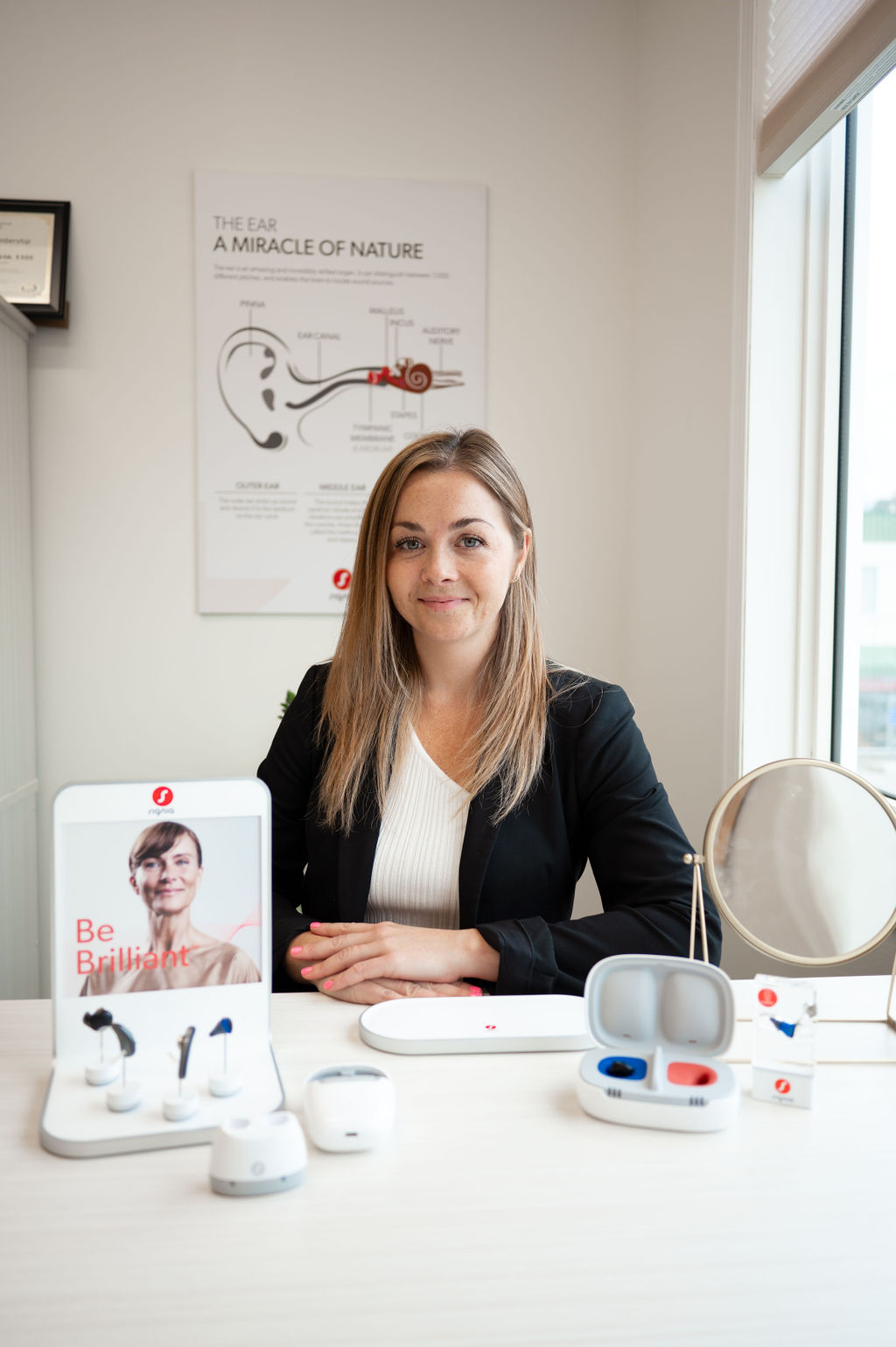
A hearing aid that works beautifully at the clinic but runs low during a long family dinner is not the right fit. This rechargeable hearing aids review focuses on what matters after the fitting appointment: how charging works, what affects battery life, where rechargeable models are most helpful, and when traditional disposable batteries may still be the better choice.
Rechargeable hearing aids have become a popular option for adults who want fewer small parts to manage and a simpler overnight routine. They can be an excellent choice, but they are not automatically the best choice for every hearing loss, lifestyle, or budget. The right recommendation begins with a thorough hearing assessment and an honest conversation about your day-to-day needs.
What rechargeable hearing aids are really like to use
Most modern rechargeable hearing aids use lithium-ion batteries built into the device. Rather than opening a battery door and replacing a tiny battery every few days, you place the hearing aids in a charging case or docking station. In the morning, they are ready to wear.
For many people, that routine is genuinely easier. It can be especially helpful for anyone with arthritis, reduced dexterity, vision changes, tremors, or difficulty handling small batteries. It also removes the worry of keeping spare batteries in a pocket, purse, or travel bag.
A charger does more than refill the battery. Many models turn the devices off automatically when placed in the charger, helping preserve power and making the end-of-day routine more consistent. Some portable charging cases hold several additional charges, which can be useful for weekends away, long appointments, or days spent out of the house.
Still, rechargeable does not mean maintenance-free. The hearing aids and charging contacts must be kept clean and dry. You also need reliable access to electricity or a charged portable case. These details are manageable for most wearers, but they deserve consideration before choosing a style of device.
Rechargeable hearing aids review: battery life and real-world use
Manufacturers often state that rechargeable hearing aids can last a full day on one charge. That is a useful starting point, but real battery life depends on how you use your hearing aids.
Streaming phone calls, television audio, music, and video can use more power. So can frequent use of Bluetooth accessories, advanced noise management, and certain levels of amplification. A person who wears hearing aids for 10 hours and rarely streams may have a different experience than someone who wears them for 16 hours while taking calls throughout the day.
For most people, a well-selected rechargeable device should comfortably support a typical day of wear. If you regularly work long shifts, travel, spend many hours outdoors, or stream heavily, ask your hearing professional for a realistic estimate based on the specific model and your hearing needs. A portable charging case may be particularly valuable in these situations.
It is also wise to ask what happens after several years of use. Rechargeable batteries are built into the hearing aid, so they are not usually changed at home. Battery performance can gradually decline over time, much like it does in a phone. Depending on the device, the battery may be serviceable, or the hearing aid may need to be replaced when it reaches the end of its useful life.
Sound quality is not determined by the charger
One common concern is whether rechargeable hearing aids sound better than models with disposable batteries. In most cases, the power source alone does not determine sound quality. The technology inside the hearing aid, the programming, the physical fit, and your individual hearing loss matter far more.
A rechargeable hearing aid can include sophisticated features such as directional microphones, background noise reduction, feedback control, tinnitus support, and Bluetooth connectivity. A disposable-battery model may offer many of those same features. The better question is not, “Which battery type sounds best?” It is, “Which hearing aid style and technology level supports the situations where I struggle most?”
For example, if conversation in restaurants is your biggest concern, microphone performance and careful programming may matter more than having a rechargeable battery. If you regularly speak with grandchildren over video calls, streaming capability and easy phone control may be higher priorities. A hearing aid should be selected around your life, not just a feature list.
When rechargeable models are an excellent fit
Rechargeable hearing aids are often a strong choice for people who want a predictable nightly routine. They may also suit couples who prefer not to buy, store, and replace disposable batteries. Removing the need for frequent battery changes can make hearing care feel less complicated and may encourage more consistent use.
They are particularly practical when dexterity is a concern. Small disposable batteries can be frustrating to handle, and they must be kept away from children and pets because they can be dangerous if swallowed. A charger reduces that household risk.
Rechargeable options can also make sense for people who use Bluetooth features frequently. Many current devices are designed with streaming in mind and have battery capacity suited to a full day of typical use. A professional can help match the device to your listening habits rather than asking you to adapt your habits to the device.
When disposable batteries may make more sense
Disposable-battery hearing aids remain a sensible option for some wearers. If you routinely camp, travel to remote areas, experience frequent power outages, or spend extended periods away from a charging source, carrying a few spare batteries can offer peace of mind.
Some people also prefer the independence of replacing a battery immediately instead of waiting for a device to recharge. This may matter if your daily schedule is unpredictable or if you have had difficulty remembering to charge other personal devices.
Cost can be another factor, although the comparison is not always straightforward. Rechargeable hearing aids may have a higher initial device cost, while disposable-battery devices involve ongoing battery purchases. The value depends on the model, how long you use it, and the service plan that comes with it.
At Windsor Park Hearing Centre, transparent unbundled pricing helps make these conversations clearer. Separating the cost of the hearing technology from the cost of ongoing clinical care can help you understand what you are paying for and choose support that fits your needs.
Questions worth asking before you decide
A good hearing aid consultation should leave you with clear answers, not pressure. Before choosing a rechargeable model, ask how long the device is expected to last on a charge with your level of hearing loss and typical streaming use. Ask whether the charger is portable, how long it takes to fully charge, and what backup options are available when you travel.
You should also ask about repair coverage, battery servicing, moisture care, and follow-up programming. Hearing changes over time, and your needs in restaurants, at work, or at home may change as well. Ongoing support is not an extra detail. It is part of getting lasting value from your hearing aids.
If price is a concern, ask for a clear breakdown of device costs, professional services, warranty coverage, and future maintenance. Comparing only the advertised price of the hearing aid can leave out important parts of the long-term cost.
The fitting and follow-up matter as much as the device
Even an excellent rechargeable hearing aid can disappoint if it is poorly fitted or programmed. Your hearing professional should verify that the devices provide appropriate amplification for your hearing test results and adjust them based on your comfort, clarity, and real-world feedback.
The first fitting is also the right time to practice placing the hearing aids in the charger, checking the charging lights, cleaning the devices, and using any phone app or streaming accessory. A few minutes of hands-on guidance can prevent a great deal of frustration at home.
Follow-up visits give you an opportunity to describe what is working and what is not. Perhaps you hear well one-on-one but struggle in a busy restaurant. Perhaps the charger is easy to use, but streamed calls sound too loud. Those are useful details that can guide adjustments.
The best rechargeable hearing aid is not simply the one with the longest battery claim or the most features. It is the one you can comfortably wear every day, confidently maintain, and rely on in the conversations that matter most. A personalized assessment can turn that choice from a confusing purchase into a practical step toward feeling more connected.


Comments