

Prescription Hearing Technology: What to Expect
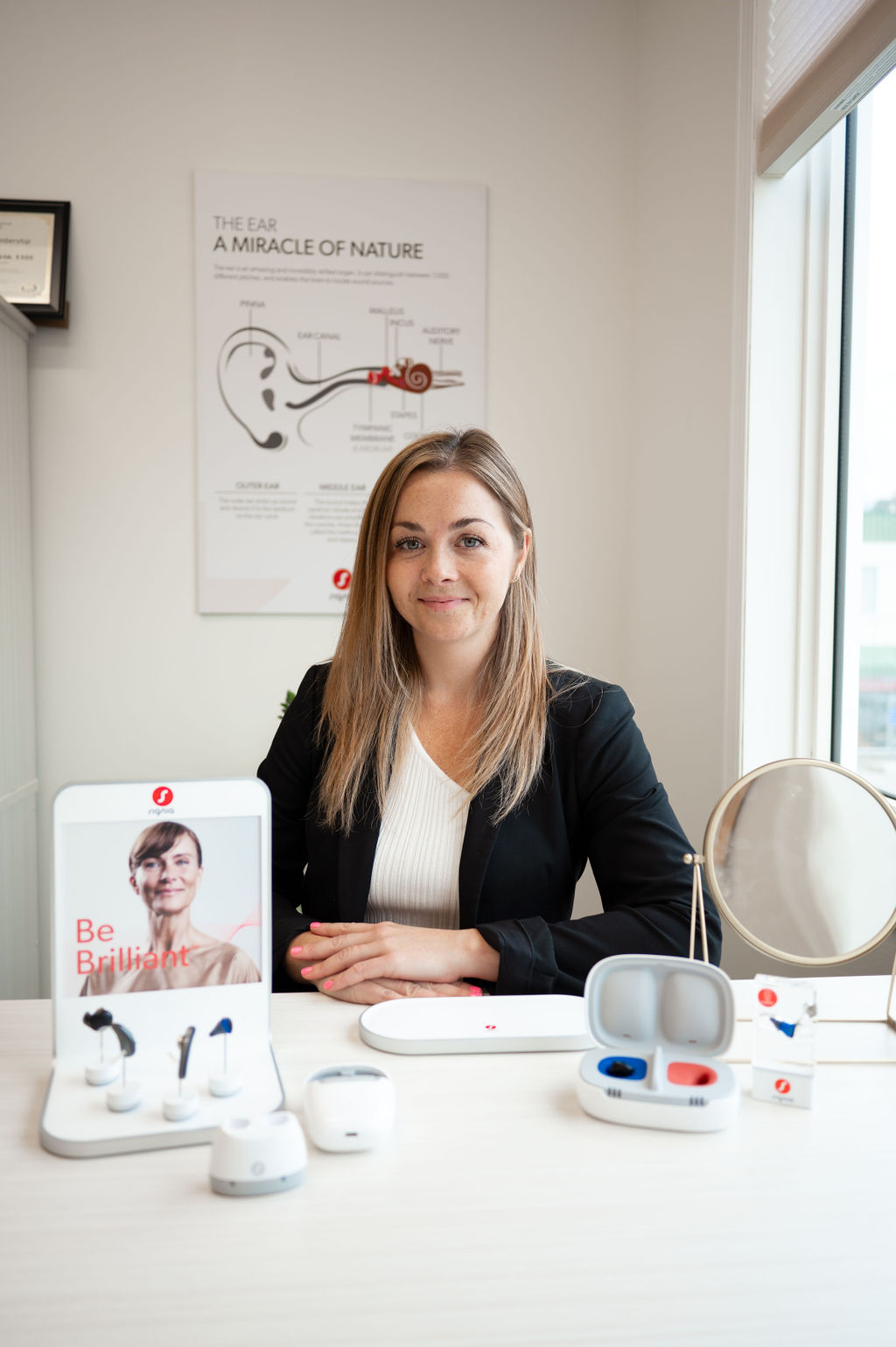
A family dinner can make hearing loss feel more frustrating than a quiet room ever does. You may hear that people are talking but miss the names, punchlines, or softer voices at the other end of the table. Prescription hearing technology is designed for these real-life moments, pairing hearing devices with professional testing, careful programming, and ongoing support.
For many adults, the technology itself is only part of the decision. The right choice also depends on the type of hearing loss, the settings where communication is difficult, physical comfort, budget, and the level of support you want after your fitting. A clear process can make that decision feel much less overwhelming.
What makes hearing technology prescription-based?
Prescription hearing technology refers to hearing devices selected and fitted based on a comprehensive hearing evaluation by a qualified hearing care professional. The evaluation measures more than whether you can hear a sound. It helps identify which pitches and speech details are harder to detect, how each ear is functioning, and whether a medical referral may be appropriate.
The results create a hearing profile that guides device recommendations and programming. Rather than relying on a general sound boost, prescription devices can be adjusted to provide amplification where you need it most while keeping louder sounds comfortable.
This is different from choosing a device off the shelf without individualized settings. Over-the-counter options may suit some adults with perceived mild to moderate hearing loss who are comfortable managing setup and adjustments themselves. However, they do not replace an audiological assessment, and they may not be the best fit when hearing needs are uneven, more complex, or changing.
Prescription care also includes the professional relationship around the device. Hearing can change over time. Your daily listening needs may change too, whether you start attending more meetings, move into a busier household, or need more help with television and phone calls.
The assessment comes before the recommendation
A thoughtful recommendation should not begin with a particular brand, style, or price point. It should begin with a conversation. Your provider should ask when communication feels difficult, whether you experience ringing in the ears, if you have concerns about balance or ear pressure, and what matters most to you.
For one person, the priority may be following a spouse in the car. For another, it may be hearing clients during video calls or feeling less tired after a shift in a noisy workplace. These details help determine which features are useful and which may add cost without adding much value.
A full hearing assessment generally includes a look at ear health and testing with tones and speech. Speech testing is particularly valuable because hearing loss is often less about volume alone and more about clarity. Someone may hear that another person is speaking but struggle to separate words in background noise.
If wax buildup is affecting the ear canal, it may need to be addressed before testing or fitting. If results suggest a possible medical concern, such as a sudden change in hearing or a notable difference between ears, the right next step may be medical assessment rather than immediate amplification.
How devices are matched to daily life
Modern hearing aids come in several styles, from small devices that sit behind the ear to more discreet options that fit partly or fully in the ear canal. No single style is automatically better. The best choice balances hearing needs, dexterity, ear anatomy, cosmetic preferences, and practical features.
Rechargeable devices can be convenient for people who prefer not to handle small batteries. Disposable-battery models can still make sense for those who travel frequently or want the flexibility of carrying spare batteries. Bluetooth connectivity may be helpful for phone calls, television streaming, or virtual appointments, but it is not essential for every wearer.
Noise management is one of the most discussed features, and for good reason. Restaurants, family gatherings, community events, and busy offices are often where hearing difficulties are most noticeable. Higher-level technology may offer more advanced tools for reducing competing noise and emphasizing speech. Still, even excellent devices cannot remove every unwanted sound or make a crowded room quiet.
That trade-off is worth discussing honestly. Paying for more advanced features may be worthwhile if you spend significant time in complex listening environments. If most of your day is spent in quiet conversations at home, a simpler technology level may provide the value you need.
A fitting is more than putting devices in your ears
Once devices are chosen, they need to be programmed to your hearing test results and verified for comfort and audibility. Your provider will also explain insertion, removal, charging or battery changes, cleaning, and basic controls.
The adjustment period matters. Hearing aids can make familiar sounds feel surprisingly sharp at first: running water, paper rustling, footsteps, or your own voice. That does not necessarily mean the devices are too loud. Your brain is relearning how to use sound information it may have missed for years.
Follow-up appointments allow settings to be refined based on your real experiences. Bring specific examples. Saying, “I struggle at lunch with three coworkers,” gives your provider more useful information than saying, “They are not working.” Small programming changes can make a meaningful difference when they are based on specific listening situations.
Why follow-up care has real value
Hearing technology is not a one-time purchase. It requires periodic cleaning, performance checks, counseling, and adjustments as your hearing or lifestyle changes. A device can be technically sophisticated and still underperform if it is not maintained or programmed appropriately.
Ongoing care can also prevent small issues from becoming reasons to stop wearing the devices. A blocked microphone, worn receiver, poor fit, or incorrect phone setting can make a hearing aid seem ineffective. These are often solvable problems, especially when you have a clinic that knows your history and welcomes questions.
At Windsor Park Hearing Centre, care is built around this longer relationship. Patients should feel comfortable asking about technology, cost, maintenance, and what is realistic to expect. Better hearing is often a gradual process, and respectful support can make it easier to stay with it.
Understanding technology costs without the confusion
Price comparisons can be difficult because hearing care is not always packaged the same way. Some clinics bundle the device, appointments, programming, warranty support, and future service into one larger upfront price. Others use unbundled pricing, separating the cost of the hearing technology from the professional services you choose.
Neither approach is automatically right for everyone. Bundled care can feel straightforward when you expect to need frequent support over several years. Unbundled pricing can offer more transparency and flexibility because you can see what you are paying for the device and what you are paying for services.
Before deciding, ask what is included today and what could involve an additional fee later. Consider the fitting, follow-up visits, cleaning and maintenance, repairs, loss coverage, warranty period, and future programming. If you have insurance, employer benefits, or access to other funding support, ask how reimbursement works and what documentation is needed.
The lowest device price is not always the lowest long-term cost, particularly if it leaves you without the guidance you need. At the same time, the most expensive technology is not automatically the best choice. A recommendation should make sense for your hearing results and your life, not a sales target.
When prescription care is especially helpful
Professional guidance is particularly valuable if you have tinnitus, a history of ear concerns, one ear that hears much differently than the other, or difficulty understanding speech despite turning the volume up. It is also useful for people who have tried amplification before and felt disappointed, since the issue may have been fit, programming, expectations, or a change in hearing rather than the idea of hearing aids itself.
Family members can play a helpful role as well. They often notice communication changes first and may be able to describe situations where hearing seems especially difficult. Bringing a trusted person to an appointment can provide useful context, but the decision should remain centered on the wearer’s comfort, needs, and goals.
The most useful next step is not to guess which device you need. Start with a clear hearing assessment and an honest conversation about the moments you want to hear better. With the right technology and support, those moments can become less about asking people to repeat themselves and more about being present with them.


Comments