
Is Custom Hearing Protection for Musicians Worth It?
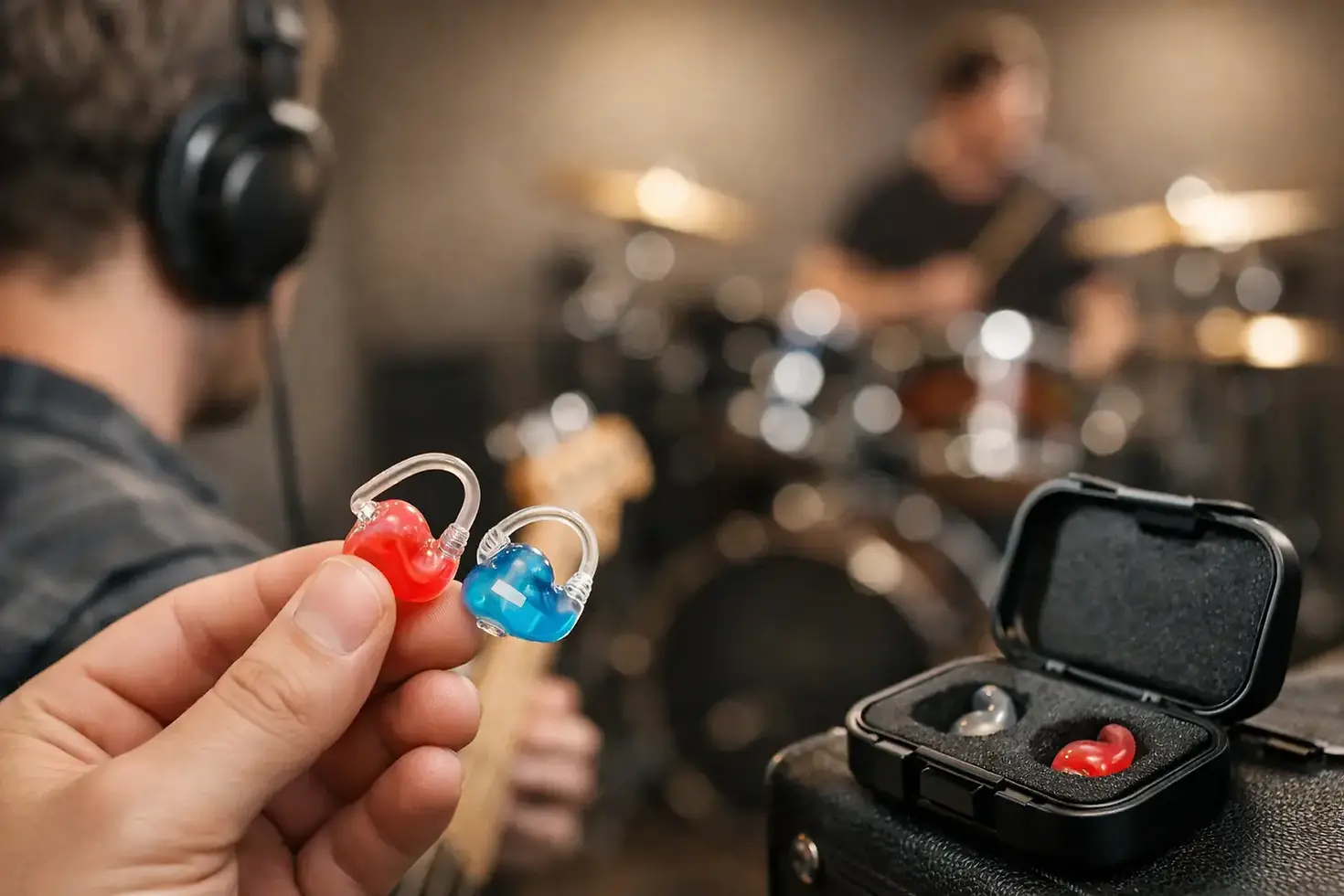
A rehearsal room can feel fine while you are in it, then leave your ears ringing long after the last song ends. That ringing, muffled hearing, or feeling of pressure is not simply part of being a musician. Custom hearing protection for musicians can reduce damaging sound exposure while helping music remain clear, balanced, and enjoyable to perform.
For performers, music teachers, band members, worship teams, DJs, concert staff, and frequent concertgoers, the goal is not to block out sound completely. It is to bring volume down to a safer level without losing the details that make music meaningful. A properly fitted solution can make that possible more comfortably than many over-the-counter options.
Why musicians need a different kind of protection
Musicians often work in sound levels that can cause hearing damage over time. A drummer may sit close to cymbals and amplified instruments. A guitarist may rehearse beside a loud monitor. An orchestra member may be exposed to powerful peaks from nearby brass or percussion. Even music instructors can accumulate substantial exposure over years of lessons, rehearsals, performances, and events.
The risk is not limited to one especially loud concert. Hearing damage depends on both volume and duration. The louder the sound, the less time the ears can safely tolerate it. Repeated exposure may contribute to permanent hearing loss, tinnitus, sound sensitivity, or difficulty understanding speech in background noise.
Standard foam earplugs can be useful in a pinch, especially when the alternative is no protection. However, they often make music sound muffled or uneven. Many musicians remove them because they cannot hear pitch, timing, vocals, or their own instrument comfortably. That choice is understandable, but it leaves the ears unprotected at exactly the moments protection matters most.
How custom hearing protection for musicians works
Custom musician earplugs are made from impressions of your ears. An audiologist or qualified hearing care professional examines the ears first, then takes a detailed impression of each ear canal. A laboratory uses those impressions to create earpieces that match the shape of your ears.
The individualized fit matters for two reasons: comfort and consistency. A plug that fits securely is more likely to provide its expected level of sound reduction. It is also far more likely to stay in place through a full rehearsal or set. If hearing protection hurts, feels loose, creates pressure, or changes the sound too dramatically, most people stop wearing it.
Many custom products use acoustic filters rather than solid material alone. These filters are designed to reduce sound more evenly across frequencies. In practical terms, music may sound quieter, but less distorted than it does through basic foam plugs. You should still expect a change in volume, of course. Hearing protection cannot preserve every listening detail exactly as if nothing were in the ear. The advantage is a more natural and usable listening experience.
Choosing the right filter level
Musician filters are available in different attenuation levels, often expressed in decibels. A lower filter may suit a vocalist, teacher, or acoustic musician who needs a modest volume reduction while staying connected to the room. A stronger filter may be more appropriate for drummers, amplified performers, stage crew, or people working around frequent high-volume sound.
There is no universal “best” filter. A person playing quiet acoustic sets has different needs from someone performing beside a drum kit in a small venue. Your typical sound level, how long you are exposed, your instrument, your position on stage, and any history of tinnitus or hearing changes all deserve consideration.
Some musicians choose interchangeable filters so they can adapt to different environments. That can be practical if you move between teaching, rehearsing, live shows, and audience events. Others prefer one consistent level they can rely on every time. A hearing professional can help you weigh sound quality, protection, and budget without pushing features you may not need.
What custom earplugs can and cannot do
Custom earplugs are a valuable preventive tool, but they are not a guarantee against all hearing concerns. Their effectiveness depends on wearing them correctly and consistently. Taking them out for the loudest part of a performance, even briefly, can increase your exposure.
They also do not replace sensible sound practices. When possible, lower monitor volume, take quiet breaks between sets, move away from speakers, and give your ears recovery time after loud events. In-ear monitors, shields, and stage positioning may also help in certain performance settings, though each comes with its own setup and listening considerations.
A custom fit does not mean a product will last forever, either. Ear canals and ear shape can change with time, weight changes, dental work, or age. Filters and earpieces should be checked if they become loose, uncomfortable, damaged, or difficult to insert. Proper cleaning also protects the material and helps prevent wax buildup from affecting the fit.
Signs it is time to book a hearing assessment
You do not need to wait for a major hearing problem before seeking help. A baseline hearing assessment gives you useful information about your hearing today, making it easier to identify changes later. This can be especially reassuring for people whose work or passion depends on listening closely.
Consider an assessment if you notice ringing after rehearsals or shows, sounds that seem dull after loud events, trouble following conversation in restaurants, increased sensitivity to noise, or the need to turn up headphones or television volume more often. These signs do not always mean permanent damage has occurred, but they are worth discussing.
Tinnitus deserves particular attention. A temporary ringing after a loud event can be a warning that the ears were overexposed. Ringing that continues, returns frequently, disrupts sleep, or affects concentration should be evaluated. Support may include hearing testing, tinnitus management strategies, and a conversation about the hearing protection best suited to your daily life.
The fitting process should feel personal and straightforward
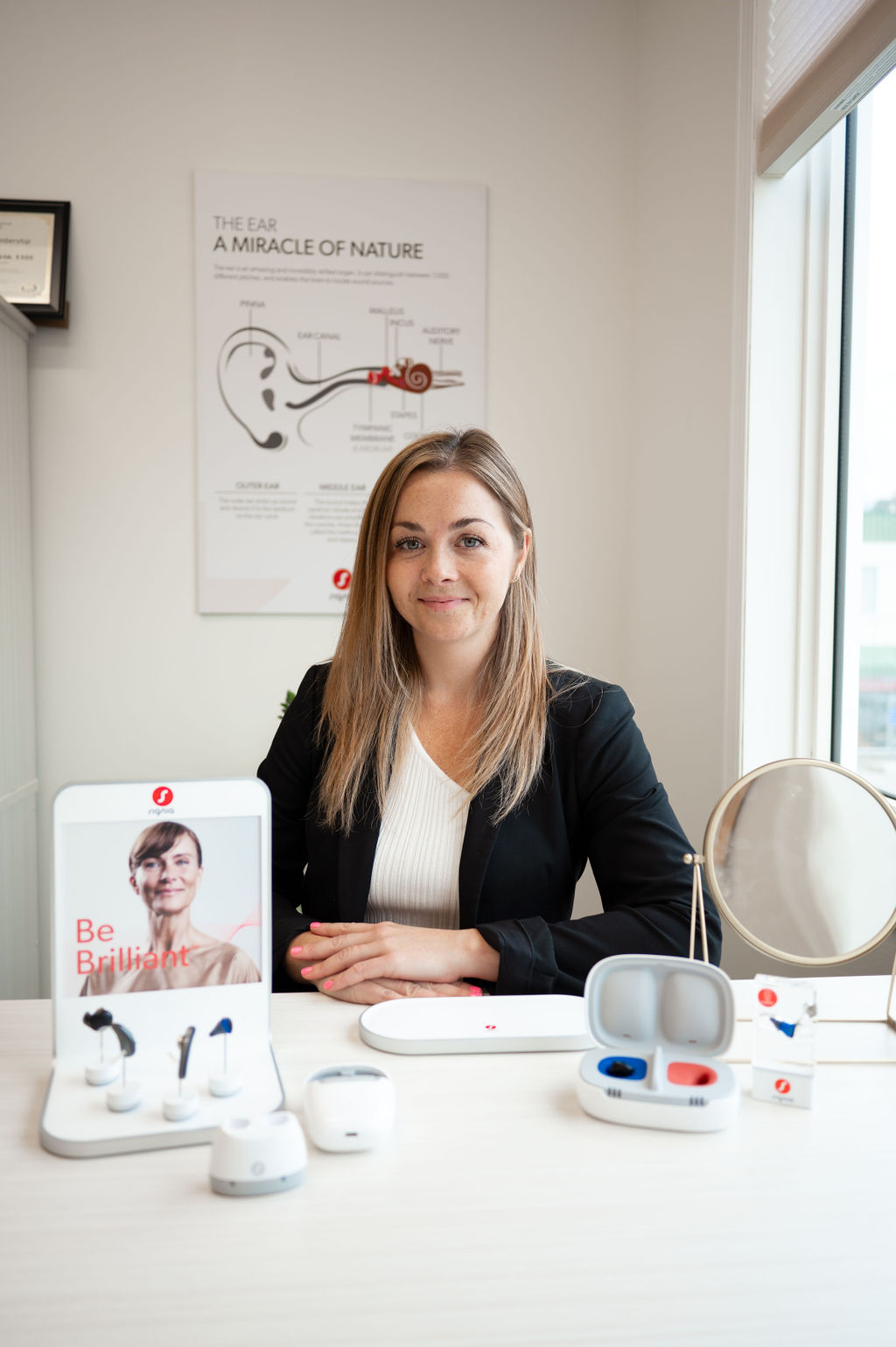
The process begins with a conversation, not a one-size-fits-all recommendation. A hearing care provider should ask about the music you play or listen to, your typical venues, rehearsal schedule, past noise exposure, and whether you have concerns such as tinnitus, wax buildup, or existing hearing loss.
Your ears are examined before impressions are taken. If there is excessive wax, irritation, or another concern that could affect the fitting, addressing that first helps ensure a safer and more accurate result. The ear impressions themselves are generally quick, and the custom plugs are created after the appointment.
When you receive them, take time to learn insertion, removal, cleaning, and storage. The right fit should feel secure but not painful. If the sound is not meeting your needs, say so. The value of personalized care is the opportunity to make an informed adjustment rather than simply accepting an uncomfortable product.
Protect the hearing that supports your music
Hearing is part of musicianship. It helps you recognize timing, tone, dynamics, lyrics, harmony, and the subtle cues that make playing with others possible. Protecting it is not a sign that you are stepping back from music. It is a practical way to keep participating in it for years to come.
If loud music is part of your work, recreation, or family life, custom protection can be a thoughtful investment in comfort and long-term hearing health. A professional fitting gives you a chance to choose protection based on your real listening needs, so you can leave the volume where it belongs: in the music, not in your ears after the room goes quiet.


Comments