

How to Prepare for an Audiology Assessment
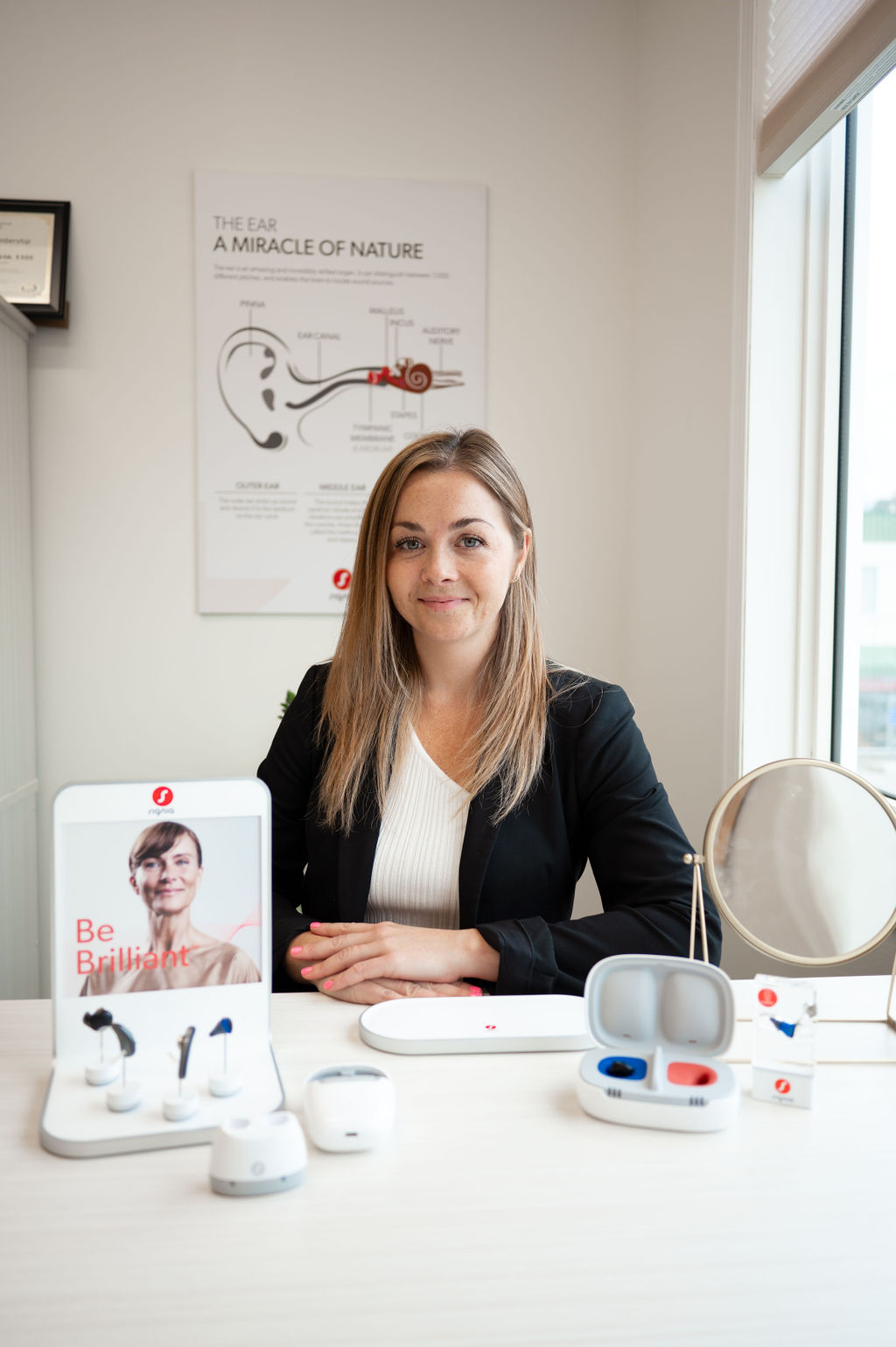
A hearing assessment is not a test you need to study for or pass. It is a conversation and a series of measurements that help explain what you are hearing, what you may be missing, and what support could make daily life easier. If you are wondering how to prepare for audiology assessment, a little planning can help you arrive feeling more comfortable and leave with clearer answers.
For many people, the hardest part is deciding to book the appointment. You may have noticed that family dinners are harder to follow, the television volume keeps creeping up, or phone calls and meetings take more concentration than they used to. These changes are worth discussing, even if you are not sure whether they add up to hearing loss.
Before your appointment, notice real-life listening challenges
The most useful information often comes from your everyday life, not from a single hearing test. In the week or two before your assessment, pay attention to the situations where hearing feels difficult. You do not need to keep a detailed journal, but a few notes can help your hearing care professional understand the full picture.
Consider when you struggle most: conversations in restaurants, voices from another room, television dialogue, group gatherings, work meetings, or calls with loved ones. Notice whether one ear seems different from the other, whether certain voices are harder to understand, and whether you hear sounds but cannot make out the words.
Also make note of ringing, buzzing, hissing, or other sounds in your ears. Tinnitus can occur with or without measurable hearing loss, and describing when it started, how often it occurs, and how much it affects sleep, focus, or stress can guide the conversation. If you experience sudden hearing changes, severe ear pain, drainage, dizziness, or a new one-sided ringing sound, contact a medical professional promptly rather than waiting for a routine appointment.
What to bring to an audiology assessment
You do not need a large folder of paperwork, but bringing the right details prevents guesswork. If possible, bring a current medication list, including over-the-counter medicines and supplements. Some medications and health conditions can be relevant to hearing, balance, or ear health.
It is also helpful to share any history of ear infections, ear surgery, significant noise exposure, head injuries, diabetes, circulation concerns, or family hearing loss. If you have had a previous hearing test, bring the results or let the clinic know where and when it was completed. Comparing results over time can be valuable.
If you already wear hearing aids, bring both devices, their charger or spare batteries, and any remote control or phone app you use. A hearing assessment can include a discussion of how your current devices are performing, not just a measurement of your hearing without them.
Many patients find it reassuring to bring a spouse, adult child, friend, or other trusted person. They may remember examples you forget, help ask questions, and offer a second perspective on communication changes at home. The appointment is still centered on you, but having support can be especially helpful when discussing options and costs.
Do not try to clean your ears at home
It is understandable to want your ears to be clean before an appointment. However, avoid inserting cotton swabs, hairpins, ear candles, or other objects into your ear canals. These can push wax deeper, irritate the skin, or cause injury.
Earwax is normal and protective. During the appointment, the clinician will look in your ears to check for wax, irritation, or other visible concerns. If wax is blocking the ear canal, testing may need to be delayed or adjusted until it can be safely removed. Professional ear care is safer than attempting to remove deep wax yourself.
You generally do not need to stop taking medications or avoid normal meals before a standard hearing assessment unless a healthcare provider has given you specific instructions. If you are unsure about a medicine or a medical condition, ask when booking your visit.
Get a sense of what the appointment may include
Knowing what happens can take much of the uncertainty out of an audiology assessment. Your visit usually begins with questions about your hearing concerns, medical and noise-exposure history, and goals. This conversation matters because two people with similar hearing test results may need different solutions. A working adult who needs to follow meetings may have different priorities than someone focused on family conversations or television clarity.
The clinician will typically examine your ear canals and eardrums. You may then sit in a quiet testing area wearing headphones or ear inserts. You will hear a range of tones and respond whenever you notice one, even if it is very soft. There are no trick questions, and guessing is not necessary. Simply respond when you hear a sound.
Speech testing may also be part of the assessment. You may repeat words at comfortable and softer levels, sometimes with background noise. This helps show more than whether sounds are audible. It can reveal how well your brain receives and understands speech, which is often the concern people notice first in busy environments.
Other tests may be recommended depending on your symptoms. These can assess middle-ear function, pressure, eardrum movement, or tinnitus. Not every patient needs every test. The assessment should be based on your history and clinical needs rather than a one-size-fits-all process.
How to prepare for an audiology assessment conversation
Your results are only one part of the appointment. Be ready to talk honestly about the impact hearing changes have on your life. It can help to think about what you most want to hear better. Maybe you want to participate in grandchildren's stories, feel less tired after work, understand your partner from another room, or manage conversations in a favorite restaurant.
Be equally honest about your concerns. Some people worry that hearing aids will be obvious, uncomfortable, difficult to use, or too expensive. Those are reasonable questions. Modern hearing technology offers many styles and features, but the right choice depends on your hearing needs, dexterity, lifestyle, budget, and comfort with technology. More features are not automatically better if they do not serve your goals.
Ask the clinician to explain your audiogram in plain language. You should understand whether hearing loss is present, which pitches are affected, whether both ears are similar, and what the findings may mean in daily situations. If hearing aids are recommended, ask what improvement is realistic. Hearing aids can make speech clearer and reduce listening effort, but they do not restore natural hearing in every setting, especially in loud background noise.
Discuss costs and ongoing care clearly
If technology is part of your care plan, make room for a practical discussion about pricing. Ask what the device cost includes, what services are billed separately, how follow-up appointments work, and whether repairs, warranties, batteries, or accessories may create future expenses. You can also ask about insurance coverage, flexible spending accounts, financing, or other available support.
Transparent, unbundled pricing can be especially useful for people who want to understand exactly what they are paying for. Separating the cost of hearing instruments from professional services may offer more flexibility, but it is worth comparing the level of follow-up care included with each option. Successful hearing care is not only about selecting a device. Adjustments, counseling, cleanings, and ongoing support can make a meaningful difference over time.
You do not have to make a decision on the spot unless you feel ready. A trustworthy recommendation should leave room for questions and should fit your communication needs, health considerations, and budget. If a family member is involved in your daily listening environment, include them in the next conversation when possible.
A few practical steps for appointment day
Arrive a few minutes early so you are not rushed. Wear your usual glasses if you use them, and bring a list of questions on paper or in your phone. Try to avoid a very loud event or extended headphone use immediately before testing when possible, since temporary noise exposure can affect how your ears feel and may influence results.
Most importantly, do not minimize what you are experiencing. Hearing concerns can be gradual, and many people adapt by asking others to repeat themselves, withdrawing from group settings, or turning up the volume. Sharing those details is not complaining. It is the information that helps your clinician recommend care that supports the life you want to keep living.
Taking the first step toward better hearing can feel personal, but you do not have to figure it out alone. A thoughtful assessment gives you a starting point, clear information, and the opportunity to choose next steps at a pace that feels right for you.


Comments