

How to Choose a Hearing Aid Provider You Trust
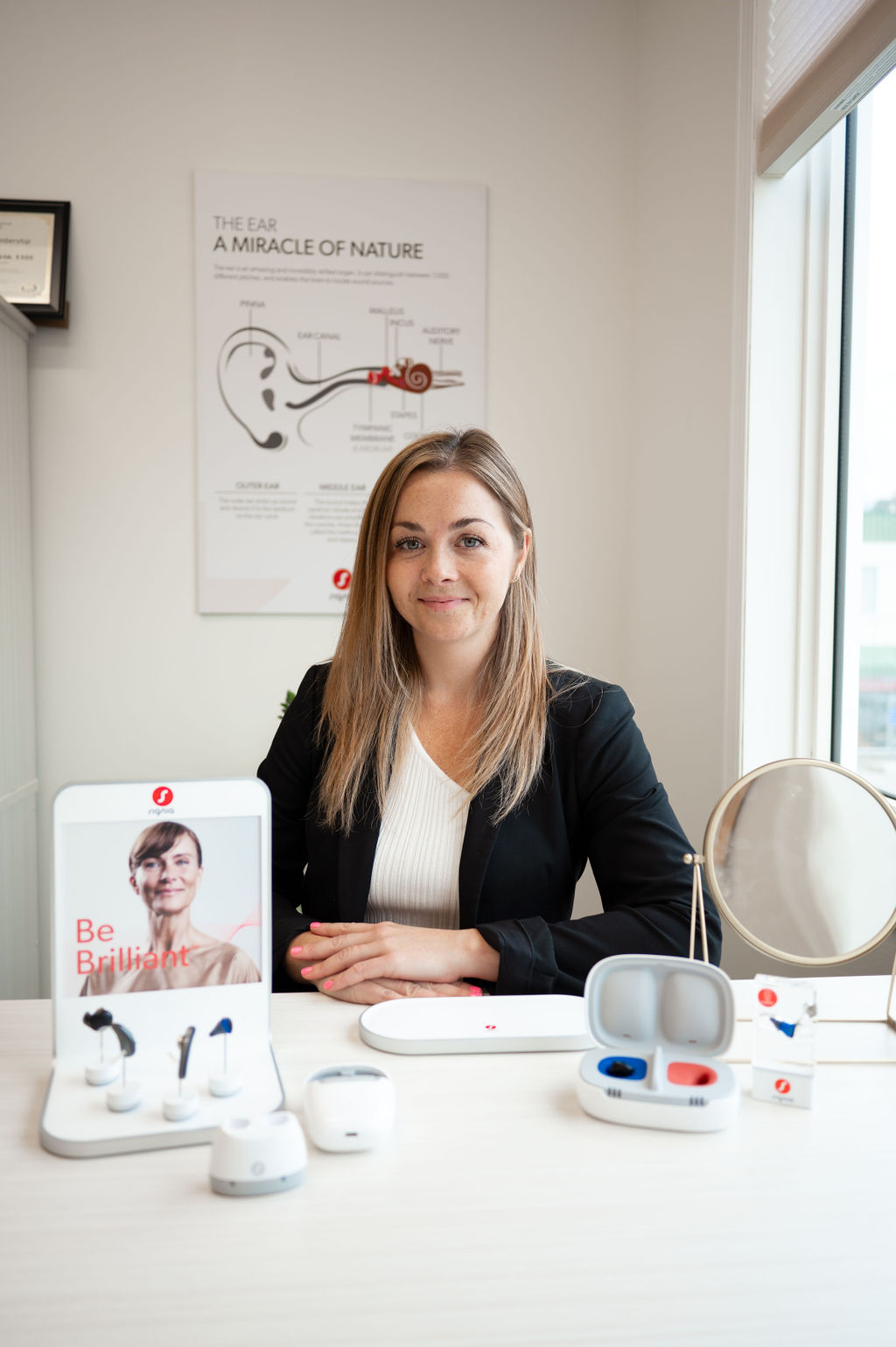
A hearing aid is only part of the care
A hearing aid can make conversations, phone calls, family dinners, and favorite activities more enjoyable again. But the device itself is only one part of better hearing. The professional who tests your hearing, explains your options, fits the device, and supports you afterward can have just as much impact on your experience.
That is why learning how to choose a hearing aid provider deserves more attention than simply comparing brands or looking for the lowest advertised price. Hearing needs are personal. The right provider will take time to understand your concerns, recommend care based on your goals, and remain available as your hearing changes.
Start with qualifications and a complete assessment
A trustworthy provider should begin with a proper hearing assessment, not a sales conversation. Hearing loss can have many causes, and some concerns require medical attention before hearing aids are considered. A complete evaluation helps determine the type and degree of hearing loss and whether hearing aids are likely to help.
Ask who will perform your assessment and what credentials they hold. An audiologist has advanced education and clinical training in hearing, balance, and related conditions. Hearing instrument specialists are also trained to evaluate hearing and fit hearing devices. Either professional may be a valuable part of your care, but you deserve to understand their experience and the services they provide.
The assessment should include a conversation about your hearing history and daily challenges. Perhaps you hear well one-on-one but struggle in restaurants. Maybe tinnitus is keeping you awake, or family members have noticed that you turn up the television. These details matter because a hearing test alone does not tell the whole story.
A good provider should also explain your results in plain language. You should leave knowing what your audiogram means, how hearing loss affects speech understanding, and what next steps make sense for you.
Look for recommendations, not pressure
Hearing care should never feel like a rushed retail transaction. A provider may recommend hearing aids after your assessment, but the recommendation should be connected to your hearing results, communication goals, lifestyle, dexterity, vision, and budget.
Be cautious if someone recommends the most expensive technology before asking how you spend your time or where you struggle to hear. Premium features can be very helpful for people who frequently attend meetings, socialize in busy places, or need advanced connectivity. They may not be necessary for someone whose listening needs are mostly quiet conversations at home.
The best recommendation is not always the smallest, newest, or most feature-rich device. It is the one that offers meaningful benefit in the situations that matter to you and that you can comfortably wear and manage.
A caring provider will explain the trade-offs. Smaller devices may be more discreet but can be harder to handle or have shorter battery life. Rechargeable hearing aids can be convenient, while replaceable batteries may suit some users better. Behind-the-ear and receiver-in-canal styles work well for many people, but the best choice depends on your hearing loss, ear shape, comfort, and preferences.
Ask how hearing aid pricing is structured
Hearing aid pricing is often one of the most confusing parts of the process. Some providers use bundled pricing, where the device, fitting, follow-up visits, repairs, warranties, and other services are combined into one larger price. This can be convenient, but it can also make it difficult to see exactly what you are paying for.
Other clinics offer unbundled pricing. With this approach, the cost of the hearing aid is separate from professional services such as assessments, fitting, programming, cleaning, and follow-up care. For many people, this provides more clarity and flexibility. You can see the cost of the technology and choose the level of continuing care that fits your needs.
Neither model is automatically right for every person. What matters is transparency. Before making a decision, ask for a written explanation of what is included and what may cost extra. Make sure you understand the warranty, loss-and-damage coverage, repair process, trial period, and charges for future adjustments.
It is also reasonable to ask whether the clinic can help you understand insurance benefits, employer coverage, or available funding options. A provider should welcome these questions, not make you feel uncomfortable for asking them.
Consider the quality of follow-up care
Hearing aids are not usually a one-visit solution. Your brain needs time to adjust to hearing sounds it may have missed for years. Your provider may need to fine-tune the settings after you have worn your devices in real situations.
This is why follow-up care should be a major factor when choosing a provider. Ask what happens after your fitting. Will you have scheduled follow-up appointments? How quickly can you get help if a device stops working or becomes uncomfortable? Can the provider clean the hearing aids, check for wax buildup, update programming, and teach you how to use features on your phone or television?
Ongoing support matters even more if you are new to hearing aids. A provider should make space for questions about inserting the devices, changing batteries or charging them, cleaning them, adjusting volume, and using hearing aid apps. You should not be expected to figure it out alone.
Local care can be especially valuable when you need an adjustment, repair, or quick check before travel or a family event. Choosing a provider with an established presence in your community can make long-term hearing care more convenient and reassuring.
Make sure the provider offers the services you may need
Your hearing needs may change over time, and hearing aids are not the only form of hearing care. A clinic that offers a broader range of services can help you address related concerns without starting over elsewhere.
For example, earwax can affect hearing and interfere with hearing aid performance. Tinnitus may require evaluation and management strategies beyond simply increasing volume. Custom hearing protection can be useful for musicians, hunters, workers in noisy environments, and anyone who wants to protect the hearing they have.
A provider who offers hearing assessments, hearing aid fittings and programming, ear care, tinnitus support, assistive listening devices, and hearing protection can provide more coordinated care. That does not mean every patient will need every service. It simply means the clinic can meet you where you are.
Questions to ask before choosing a hearing aid provider
A short conversation can reveal a great deal about how a clinic treats its patients. Consider asking these questions before booking or at your first visit:
Who will perform my hearing test and fit my hearing aids?
Will you explain my hearing test results and all suitable options clearly?
Do you offer more than one hearing aid manufacturer and technology level?
Is your pricing bundled or unbundled, and what services are included?
What follow-up appointments, adjustments, cleanings, and repairs are available?
Is there a trial period, warranty, and loss-and-damage protection?
Can you help me understand my insurance or other coverage?
Pay attention not only to the answers, but also to how they are given. Clear, patient answers are a positive sign. If you feel pressured, confused, or dismissed, it is okay to seek a second opinion.
Choose a provider who listens to you
Technology matters, but trust matters more. You should feel comfortable describing what you are experiencing, whether that means missing grandchildren's voices, feeling exhausted after work meetings, or avoiding restaurants because the noise is too frustrating.
At Windsor Park Hearing Centre, personalized hearing care begins with listening to the person, not just reviewing a test result. The goal is to help each patient make a confident, informed choice with transparent pricing and ongoing support.
A good hearing aid provider will never treat your hearing as a one-time sale. They will treat it as an ongoing part of your health, relationships, independence, and daily life. When you find a team that explains your options honestly and stays beside you after the fitting, taking the next step toward better hearing can feel much more manageable.


Comments