

Hearing Aid Clinic vs Big Box: Which Is Best?
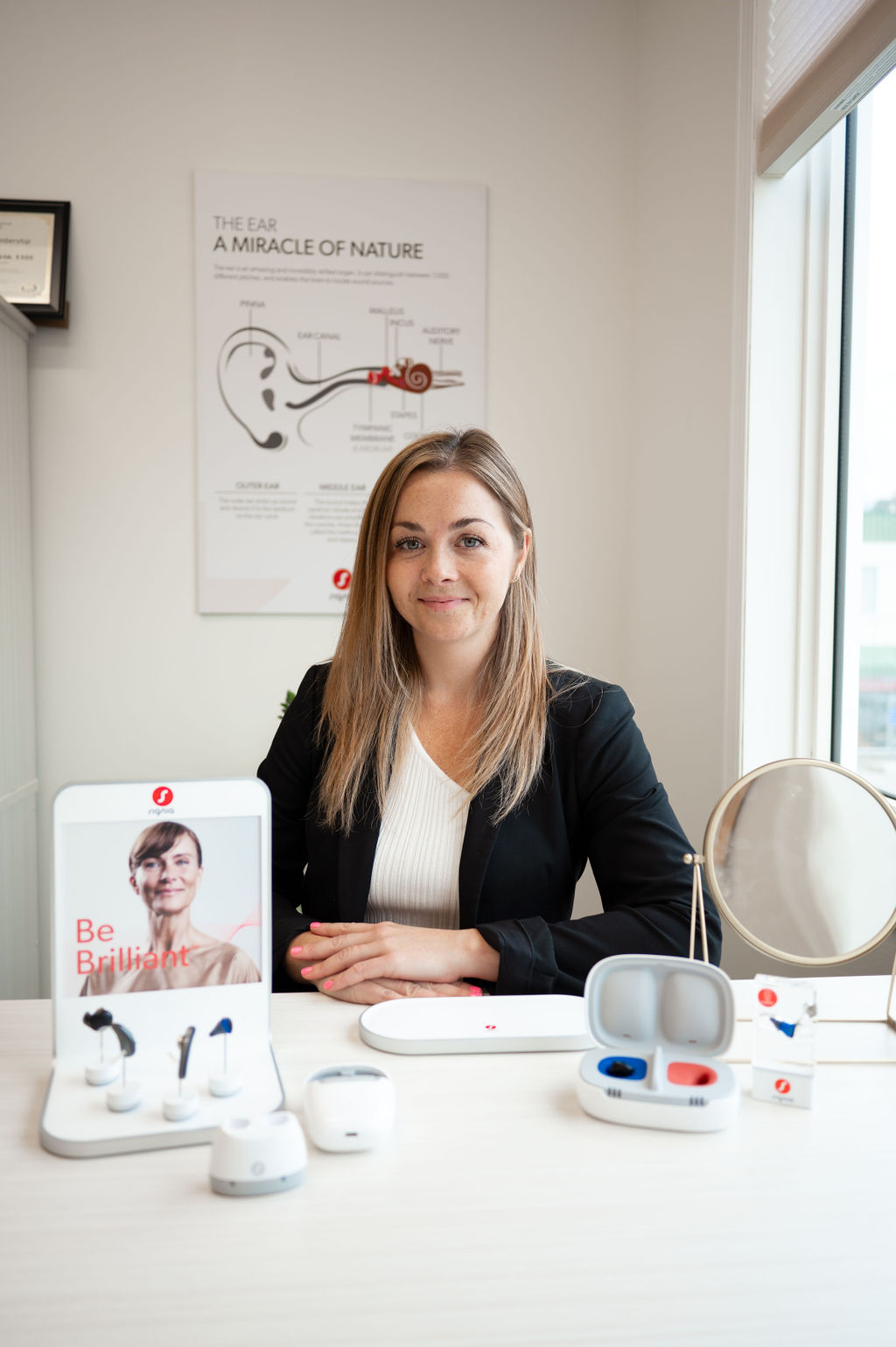
A hearing aid is only helpful when it is comfortable, programmed correctly, and supported as your hearing changes. That is why the hearing aid clinic vs big box decision is about more than the price on a device. It is a decision about how you will be assessed, how much guidance you receive, and who will be there when you need an adjustment six months or three years from now.
Big-box retailers can be a practical option for some buyers, especially people who have straightforward needs and know exactly what they want. A local hearing clinic can offer a different kind of value: individualized assessment, clinical guidance, flexible service options, and long-term care built around your daily life. The best choice depends on your hearing, your budget, and the level of support you want after purchase.
Hearing Aid Clinic vs Big Box: The Key Difference
The most meaningful difference is usually the care model. A big-box retailer often operates in a high-volume retail environment. Appointments may be efficient, and the selection may focus on a limited group of hearing aid brands or models. This can work well when the store has a qualified provider, convenient hours, and a device that suits your needs.
A hearing clinic is designed around hearing healthcare rather than retail sales. The provider has more opportunity to understand your hearing history, communication challenges, medical concerns, dexterity, lifestyle, and goals. For example, someone who struggles mainly in busy family dinners may need a different recommendation than someone who wants to hear coworkers in meetings or grandchildren in the car.
Neither setting is automatically right or wrong. What matters is whether the provider takes time to evaluate your needs, explain your options clearly, and offer dependable follow-up care.
The Hearing Test Should Guide the Recommendation
Before discussing hearing aids, you deserve a complete picture of your hearing. A thorough audiological assessment does more than identify whether sounds are too quiet. It looks at the type and degree of hearing loss and may include speech testing to show how well you understand words at different volumes or in more challenging listening conditions.
At a clinic, the assessment can also create space to discuss related concerns. Ringing in the ears, pressure, dizziness, sudden changes in hearing, recurring wax buildup, or one-sided hearing difficulty may need additional attention. In some cases, the appropriate next step is medical referral rather than a hearing aid purchase.
Retail hearing evaluations can be useful, but ask what testing is included and how the results will be used. A quick screening may identify a concern, while a fuller assessment helps support a more precise treatment plan. If you are uncertain about your results, have a complex hearing history, or have noticed a sudden change, a clinic-based evaluation may provide greater reassurance.
Questions worth asking before your appointment
Ask who will perform the test, what credentials they hold, whether speech understanding will be measured, and how much time is scheduled for the appointment. You can also ask whether the provider will explain your audiogram in plain language. You should leave knowing what your results mean for real conversations, not just with a graph in hand.
Comparing Hearing Aid Prices Fairly
Price is often the first concern, and understandably so. Hearing aids are a meaningful investment. Big-box retailers may advertise lower prices because they sell high volumes, carry fewer brands, and often package devices with a defined service plan. For a price-conscious buyer, that can be appealing.
The challenge is comparing more than the initial number. Ask whether the quoted cost includes testing, fitting, programming, follow-up visits, repairs, loss and damage coverage, batteries or chargers, and future adjustments. Also ask what happens when the included service period ends. An inexpensive purchase can become less economical if ongoing help is limited, inconvenient, or costly later.
Traditional clinics may also offer bundled pricing, where the device and a set period of professional care are combined into one price. That approach can be simple, but it may make it difficult to see what you are paying for technology versus services.
At Windsor Park Hearing Centre, transparent unbundled pricing separates hearing aid technology from professional services. This gives clients a clearer view of their choices and can be especially helpful for people who want to pay for the level of care they expect to use. It also makes the conversation more honest: a premium device is not automatically the best answer if a more affordable option meets your listening goals.
Selection Matters, but So Does Fit
A large store may offer a good range of popular products, but it may not carry every manufacturer or style. An independent clinic may have access to a wider variety of hearing aid options, which can matter when you have specific needs involving Bluetooth connectivity, rechargeable batteries, tinnitus features, severe hearing loss, or discreet custom styles.
Still, more choices are not helpful without clear guidance. Hearing aid features can sound impressive on a brochure, yet the feature that matters most is the one that solves a problem in your life. Directional microphones may help with conversation in restaurants. Rechargeable devices may be easier for someone with limited hand strength. A telecoil or other assistive listening option may be valuable in certain public spaces.
Physical fit is equally important. The hearing aid should sit securely and comfortably, and you should be able to insert it, remove it, clean it, and manage its controls. A provider who asks you to practice these tasks during your fitting can prevent frustration at home.
Programming and Follow-Up Are Part of the Treatment
Hearing aids do not work like reading glasses. They need programming based on your hearing test, but the first settings are rarely the final settings. Your brain needs time to adapt to sounds it has been missing, and your provider may need to adjust volume, noise management, or speech clarity as you gain experience.
This is where a clinic relationship can make a substantial difference. Follow-up appointments allow you to describe specific situations: the television still sounds unclear, your own voice feels strange, dishes are too sharp, or restaurants remain exhausting. Those details help guide precise adjustments.
Big-box locations can also provide follow-up services, so do not assume they will not. Instead, ask how appointments are scheduled, whether you are likely to see the same provider, how long adjustments are available, and what support is offered if your needs change. Convenience matters. If you live far from the retailer or find it difficult to book with the same professional, you may be less likely to seek the fine-tuning that improves your results.
When Big Box May Be a Good Fit
A big-box hearing center may be a reasonable choice when you have uncomplicated hearing needs, a nearby location, a comfortable relationship with the provider, and a clearly explained service plan. It can also suit buyers who prefer a limited selection and want a competitive, all-in price.
Take time to confirm that the model you are considering addresses your main listening challenges. Read the return policy carefully, including the trial period, any restocking fee, and the condition required for a return. A trial period is valuable because the real test happens in your home, workplace, community activities, and family conversations.
When a Local Hearing Clinic May Be the Better Choice
A clinic may be especially valuable if you want a detailed evaluation, have tinnitus or ear health concerns, need more than basic device support, or prefer a provider who can follow your hearing over time. It may also be a stronger fit if you want help sorting through insurance, benefit plans, workplace requirements, or assistive listening and hearing protection options.
Many people choose local care because they do not want to feel rushed into a purchase. They want someone who will explain the trade-offs between technology levels, tell them when a lower-cost option is sufficient, and remain available when a hearing aid needs cleaning, repair, or reprogramming.
For families, continuity can be particularly comforting. An adult child may attend the first appointment, help compare options, and later need guidance on cleaning or charging a device. A local clinic that knows the patient and family can make those moments easier.
Make the Choice Based on Care, Not Pressure
Whether you visit a big-box retailer or a hearing clinic, you should never feel pressured to buy the most expensive model or make a decision before you are ready. Request a written quote, understand the service terms, and make sure you know who will support you after the fitting.
Better hearing can make conversations less tiring, restore confidence in social settings, and help you stay connected to the people and activities you enjoy. Choose the provider who listens carefully to your concerns, explains costs clearly, and gives you confidence that help will still be available after you walk out the door.


Comments